
Real Life Robotics / Government and municipal
Government and municipal
Write the street rules once, and hold every operator you permit to them.
Passenger holds the permit conditions, measures the operators you have brought on against them on the same terms, and dates every entry. So you can open the right of way to the industry, answer a councillor the same afternoon they ask, and put your name on a renewal recommendation you can defend.

You said yes to the first operator, and you were right to. It went fine. Then a second applied, and a third, and one of them now runs past a school at pickup. Twenty departments, each running as its own business, which is how a city that size works. So when a councillor asks who checks any of this, the question lands on you and the answer lives somewhere else.
Five pressures landing in the same year.
- 01
The innovation budget expires
It exists this fiscal year, and not necessarily the next one.
- 02
Legal has flagged the exposure
Risk or the insurer raised it before anyone wrote a policy.
- 03
Twenty departments, twenty businesses
None of them shares a view of what runs where.
- 04
Council asked who verifies
What the rules are was answerable. Who checks them was not.
- 05
Budget compression is the only lever
Headcount reduction never survives a council meeting.
Each new operator arrives on a separately negotiated agreement.
Oversight stays a promise rather than a record. The first incident on a public street becomes a question about what the city required and how it was checked, answered from the operator's own reporting.

What the city gets to hold.

Write the permit conditions once
Each operator you permit comes in under the same conditions.

One yardstick across your operators
Passenger measures the operators you permit against the same conditions, so the first and the fifth are judged alike.

Table a dated record at council
What the permit required, what the operator did, how the city responded. AG-7 Audit, pulled the same afternoon.
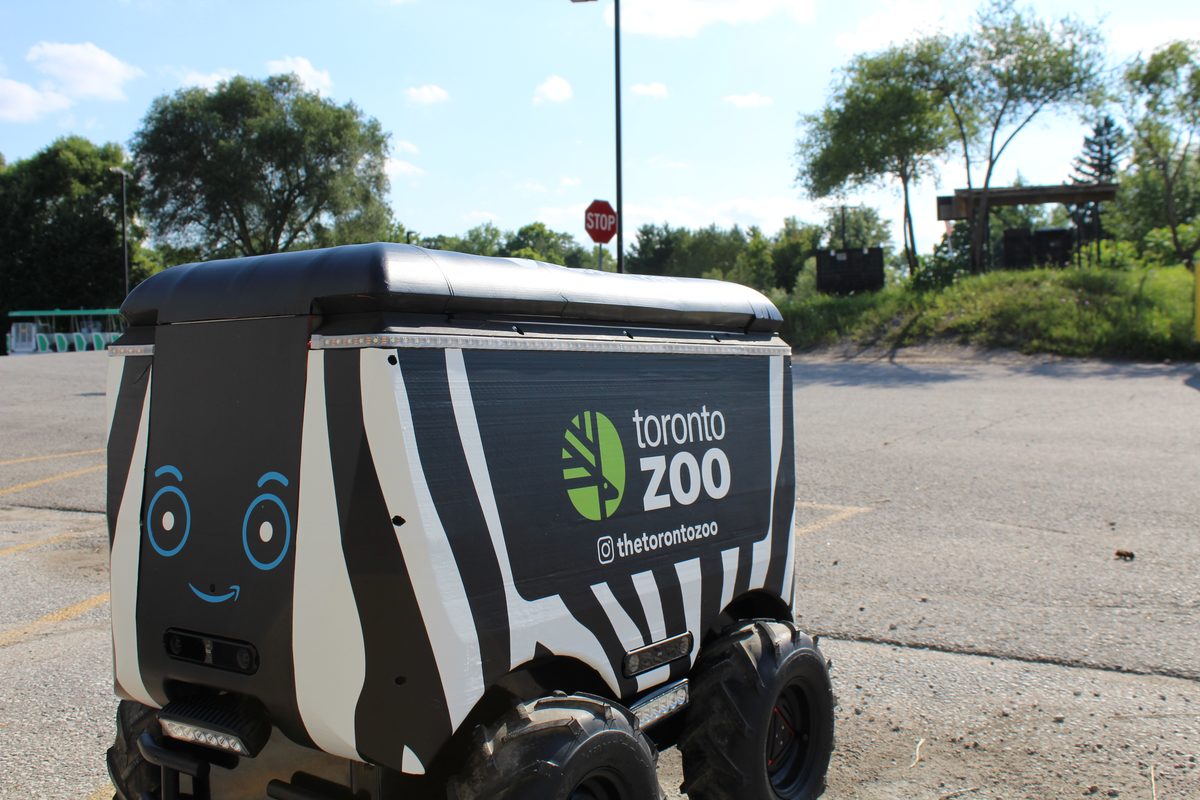
Built through real-world municipal work
Built through real-world work with Ontario municipalities and public institutions, including the City of Kitchener, City of Markham and Toronto Zoo.
Bring the question council asked.
Whatever it was, we will show you where the answer would come from and how long it would take to pull.