The Automation Governance Platform
Create order from hardware automation chaos.
Write the rules and policies once, and extend them across your suppliers instead of renegotiating them machine by machine. Passenger connects systems that were never built to work together, gives you one operating view across them, and lets you measure what the operation returns as it grows. Governance you can prove.


Every vendor sold you a robot. Nobody sold you the rules.
Every operator we have met arrived here the same way, by making sensible decisions one at a time. Each machine was the right machine. What nobody bought alongside them was a common policy layer, or a way for any of them to talk to each other.

It is difficult to measure the true ROI of each automation system
Every supplier measures and reports differently, so there is nothing to compare against. Passenger normalises them onto one yardstick.
Robot #4 costs more to add than robot #1
New supplier, new negotiation, new integration. Nothing you learned last time carries over, so the fourth costs more than the first when it should cost less.
Disconnected systems limit the value of the whole operation
Robots, sensors and connected devices often run in separate platforms. Passenger creates an interoperable layer where data can be normalised, insights combined and systems orchestrated together, increasing the value of every technology already deployed.
One rulebook across your suppliers, and governance you can prove.
Passenger holds the operating rules for the systems you run, IoT devices and robotic systems alike, and checks the systems it is connected to against them on one consistent yardstick. It keeps a time-stamped record you can put in front of a renewal committee, an insurer or a council. It is built against all eight parts of the Automation Governance Framework and leads on AG-5 Compliance and AG-7 Audit.
“The impact of this technology is a genuine game changer for how we understand and manage our operation.”
You already run more automation than you think. Most of it just reports.
Sensors, meters, trackers, access control, cameras. They cleared procurement easily because they only create visibility: they report, and a person decides what to do. Then an automated system arrives that can use that same information to make or execute an operational decision on its own. The data did not change. What happens next did.

IoT reports. Automation acts.
A sensor gives somebody more information to do their job. A robot does the job. The day the second one arrives, the first one stops being harmless data.
Start with what you already deployed
The fastest thing Passenger does is make the IoT you already own legible in one place, and make it talk to your first machines. No new hardware, no new supplier.
Set the rules and policies once, for whatever comes next
Meters, trackers, drones, AMRs and whatever future systems you add, under one set of rules and policies, and one record.
Governing the sensors before the machines arrive costs a fraction of retrofitting governance across operations you have already scaled. The cheapest moment is the one before anything acts.
The rulebook does not change. What each seat has to defend does.

The robots made the news. The governance is why they kept running.
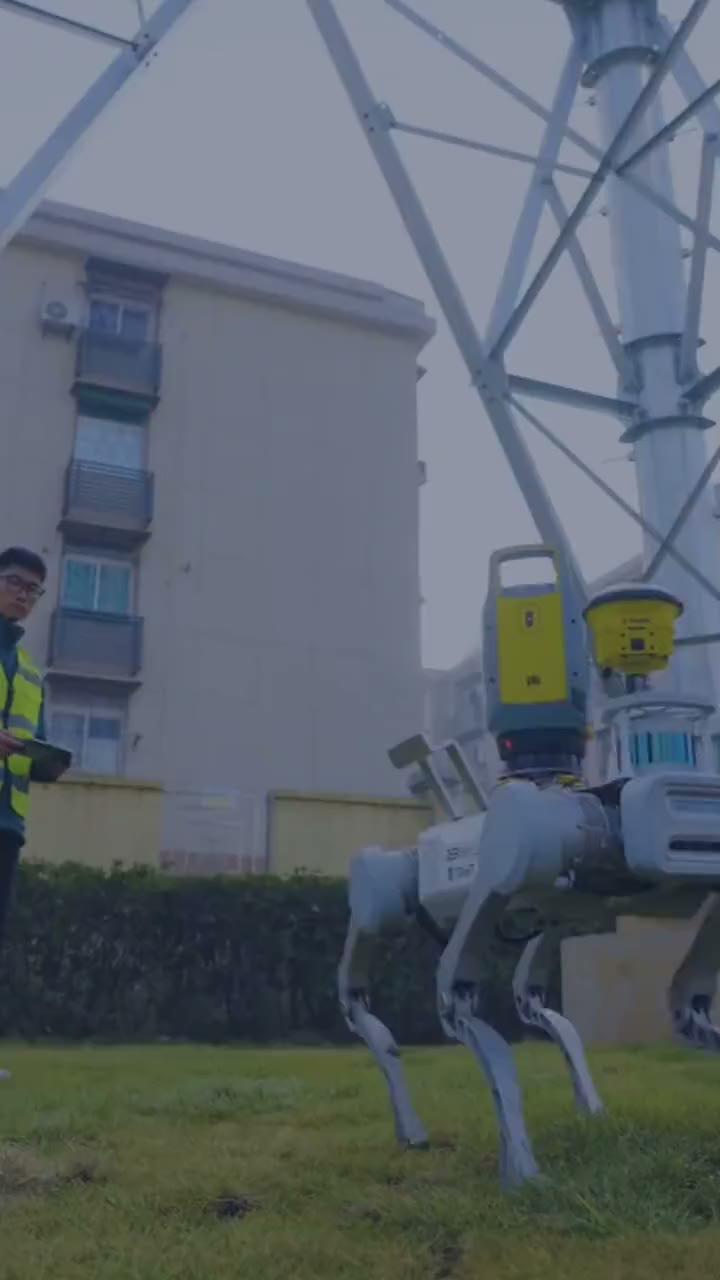
National and regional press followed our machines into real-world service. Those deployments revealed the need for a common layer across suppliers, systems and operating policies.
Ready to create some order from your hardware automation chaos?
Speak to one of our team members. We'll get in touch today.